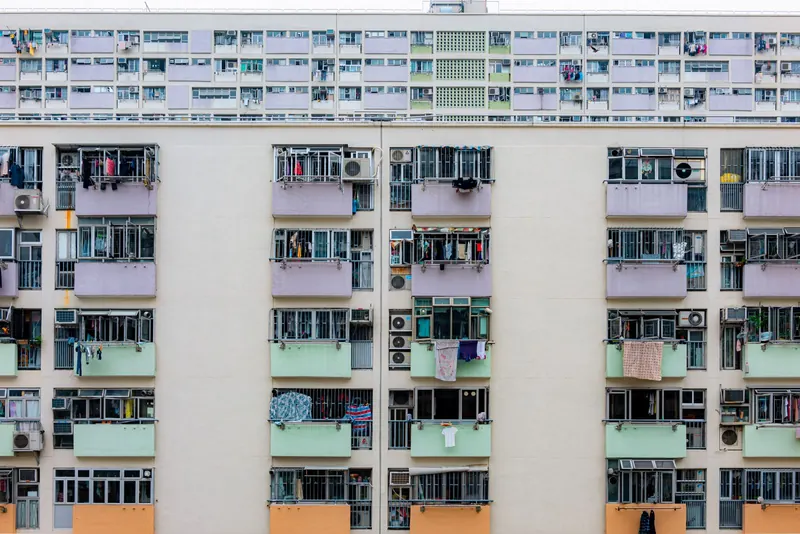
Apartment and Condo Mold Remediation
Shared walls and building plumbing influence mold remediation for condo mold found in multifamily units near neighboring residents.
See apartment and condo mold remediationGet clear next steps for mold in a rental property in Chatsworth. The plan should cover written notice, moisture repair, containment, cleaning, drying and tenant access.
This work identifies the moisture source, keeps the area contained, removes impacted materials and completes drying.
Rooms, material removal boundaries, cleaning, equipment and water repairs belong in the written work scope.
Different duties may come from your lease and state law. Mold remediation does not determine tenant rights or landlord responsibility.
Ask which party corrects the source and verifies dry conditions. Mold can return when dampness remains.
Clearance testing should be done by an independent assessor, not by the company responsible for removal.
Ask what containment does to protect ventilation, common corridors and rooms still in use.
Your project schedule needs access, equipment, cleaning, material removal and concealed growth.
For extensive growth, impacted air systems or contamination in the water, consider bringing in professional help.
According to EPA guidelines, dry items and areas with water damage within 24 to 48 hours to prevent mold growth.
Black mold refers to a term used in searches. Mold risk cannot be judged by color, according to CDC.
Stains, soft drywall or odor may point to hidden mold colonies.
Recurring spots or odor suggest remaining moisture. Inspect damp spaces before you clean.
Avoid sending spores into other areas while documenting visible mold.
Call (844) 352-3560A specific published price range for rental work is not available. The nearest data is for mold remediation generally. Fixr gives $1,500 to $9,000 as the typical national range. For areas beyond about 10 square feet, its professional rate runs from $10 through $30 for each square foot. Your rental cannot be quoted from these figures.
These ranges come from published national cost guides, not from a site visit. Your property price is set after an on-site assessment and should be explained before work starts.
Ask about cost: (844) 352-3560Policy terms, ownership and the moisture source determine coverage.
Under California's housing law, visible mold found by a health officer or code enforcement officer can make a rental substandard. Renters can contact their local health or code enforcement department to ask for an inspection. State law and the facts about moisture, notice and access may determine responsibility.
If you rent, ask about testing, personal belongings and whether to move out. Building work may use another policy.
The property owner can confirm mold sublimits, documentation needs and the insurance claim process.
California's Toxic Mold Protection Act includes a landlord written-disclosure section (Health and Safety Code 26147). By its own wording it applies only after the state adopts mold exposure standards, and the state health department has said it could not set them. Keep photos, invoices, moisture readings, the scope and clearance report.
A complete plan covers inspection before moving to removal, drying and clearance.
A moisture meter checks dampness. Mold cannot be identified by a thermal imaging camera.
Work area containment can be formed with poly sheeting.
Plan tenant access and protective equipment before disturbing affected material.
An air scrubber and a HEPA vacuum capture particles while removal takes place.
Damp cleaning can treat non-porous surfaces. Antimicrobial treatment does not replace cleaning.
Drying can be supported by air movers or a dehumidifier. Readings inform repair decisions.
Independent post-remediation verification can include air sampling when its purpose and method are defined.

Call any hour. Your call reaches a rental property mold remediation specialist who hears your concerns and explains the process ahead.
Contaminated water, ventilation and porous materials in multiple rooms make removal difficult.
Mold can trigger allergy and asthma symptoms. Certain people may be at greater risk.
For sewage exposure or contaminated water, EPA advises seeking experienced help. The cleanup method must suit contamination.
Wet insulation cannot be corrected with paint. Correct the moisture problem before reconstruction.
Can you clean it yourself? EPA says an area under about 10 square feet can often be cleaned by the occupant. If the area is larger or involves HVAC growth or contaminated water, seek professional help.
Timing depends on area size, access, removal, drying and moisture repairs. Ask when each stage and update will occur.
Damp materials and growth out of view can be indicated by musty odor. Adding fragrance does nothing to repair the moisture source.
EPA puts preferred relative humidity at 30 to 50 percent and says it should remain under 60 percent. Repair cavities that stay wet.

California has no state license or certification for mold assessors or remediators, according to the California Department of Public Health. General construction work above a small dollar amount does need a license from the Contractors State License Board (CSLB), so it is worth checking a contractor's license there and asking about their mold training. Ask which permits apply to structural removal, plumbing, electrical work or rebuilding.
Fix moisture first. To prevent mold growth, dry water-damaged items and areas within 24 to 48 hours.
The California Department of Public Health (CDPH) Air Quality Section publishes mold and dampness guidance and a mold FAQ. CDPH says visible mold, dampness, and mold odor are unhealthy and should be fixed, and that routine mold testing is not needed when mold is visible. Habitability rules and notice or access requirements can vary. Contact the relevant consumer or housing office for information about current law.
Indoor mold has no limit established by the federal government. Consider the moisture source, visible mold, size and testing reason.
The full rental property mold remediation guide covers what is cleaned or removed, odor and air quality work, and the rules that apply in California and Los Angeles County.
Read the full rental property mold remediation guide
Local housing, humidity and property access can shape moisture control, containment and mold cleanup planning.
For a home in the Chatsworth neighborhood, a musty odor or stain should be traced through connected materials before the visible surface is cleaned.
Your property needs a moisture-specific plan that follows the leak into nearby walls, floors, ceilings, insulation, or framing before removal limits are set.
Ask on the phone about mold cleanup for nearby ZIP codes and communities.
Shared walls and building plumbing influence mold remediation for condo mold found in multifamily units near neighboring residents.
See apartment and condo mold remediation
Residential mold removal covers mold in houses and condos, from a single room to several areas, handled by a local crew.
See residential mold removal
A mold inspection is combined with removal so workers can locate the growth before cleaning it away.
See mold inspection and removal
Water damage mold cleanup includes clearing growth caused by a flood or leak and drying the affected structure against a return.
See water damage mold cleanup
Hidden mold remediation locates and clears hidden mold behind wall surfaces, beneath flooring and over ceilings where it is out of view.
See hidden mold remediation (behind walls)
Wall and drywall mold removal opens the affected surface, removes damaged drywall and cleans framing within the wall before replacement.
See wall and drywall mold removal
Air duct mold removal cleans HVAC drain pans, ductwork, vents and coils so the system no longer carries the growth.
See HVAC and air duct mold removal
The size of the affected space, types of materials and required repair work are among the factors influencing mold removal cost.
See mold removal costYour property manager or landlord should receive a maintenance request that shows the date. Name the location, visible condition, odor and possible leak. Add photographs, retain your copy and all replies, and note in the property record what access you offered for inspection and repair.
Responsibility depends on the moisture source, lease, state law, notice and access for repair. Submit written notice, take dated photos and keep every reply. Under California's housing law, visible mold found by a health officer or code enforcement officer can make a rental substandard. Renters can contact their local health or code enforcement department to ask for an inspection. Although remediation records the conditions and work performed, your local legal dispute is not settled by that process.
Rental and habitability rules vary by location and condition. The California Department of Public Health (CDPH) Air Quality Section publishes mold and dampness guidance and a mold FAQ. CDPH says visible mold, dampness, and mold odor are unhealthy and should be fixed, and that routine mold testing is not needed when mold is visible. Report the moisture and mold in writing. Contact the appropriate housing or consumer office before deciding your legal duties, and ask about notice requirements, current tenant rights and available options.
The lease, your local law and the purpose of testing determine payment. When visible mold appears with a known moisture source, broad air sampling may be unnecessary. For testing with a stated purpose, confirm who selects the assessor and gets the report afterward.
Local law, repair history, notice, lease duties and the moisture source can all affect responsibility. Building repairs may be under owner control while notice and access duties may fall to the tenant. Keep records and seek local legal guidance promptly for a dispute.
Photograph it, report it in writing and avoid scraping or dry brushing. When safe, shut off the source of an active leak. Keep impacted HVAC equipment turned off. Request details about the moisture repair, inspection process, scope of work and access instructions for the project.
Get calm, practical guidance about rental property mold remediation, with calls answered 24 hours a day.